Changing locations
Update product, rack or bin information from the central system as assignments change.



Move WMS or ERP data to electronic displays at racks, bins and picking points, managing changing inventory, tasks and locations without paper cards.
Location changes, order waves and stock movements quickly make paper cards obsolete. Electronic labels become the on-site visual layer of the operating system.
Update product, rack or bin information from the central system as assignments change.
Guide operators with LED, code and quantity fields for the correct location and task.
Reduce printing, distribution and outdated-card replacement through digital workflows.
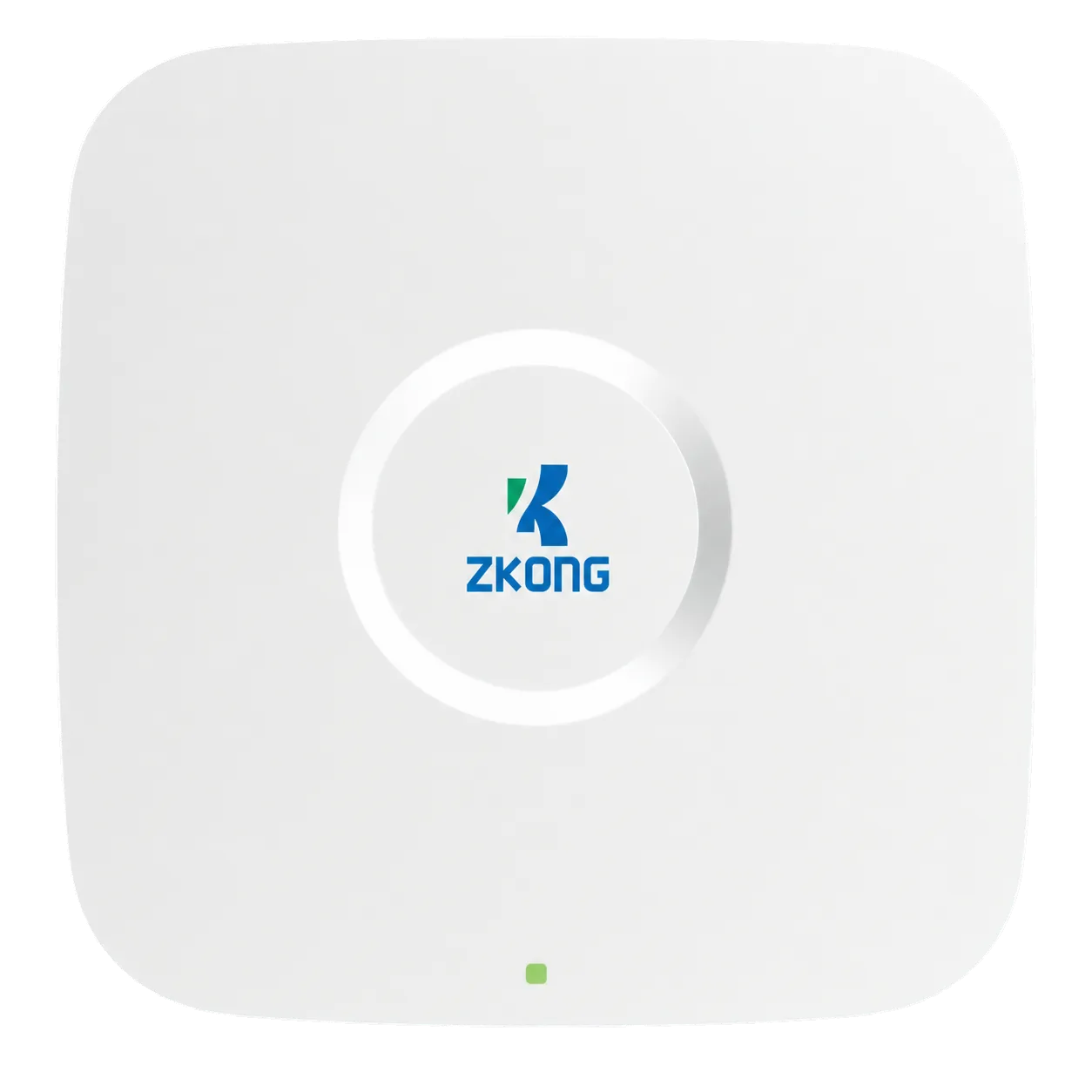
Existing product data is matched with templates in ZKONG Cloud; the in-store or on-site access point delivers each update to the correct label.
POS · ERP · WMS · API · XLS
Template, device and location management
Wireless on-site communication

The right content at the right point
WMS/ERP integration and task logic are defined around the operation; the electronic label becomes a dynamic on-site information point.
Keep location code, item, barcode/QR and capacity on one display.
Support operators with LED, target-bin, item and quantity information.
Show the dynamic target location after goods receipt.
Publish count status, pending task or control information according to workflow.
Make current part information visible for line feeding, kanban and material calls.
Differentiate urgent, missing or pending-control locations through color, LED or status templates.
The final model depends on display size, information density, environmental conditions and mounting surface. These products are strong starting points for this industry.
Compare all products ↗
Display size7.3″
ZKC73BFull color electronic paper display

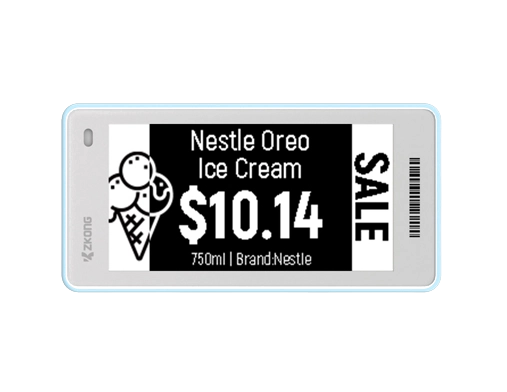 Display size2.8″
ZKC28QFDot Matrix EPD Black/White/Red (Yellow)
 Display size2.9″
Map data points across receiving, put-away, picking, counting and dispatch.
Test size, mounting, coverage and tasks in a representative aisle.
Define triggers, data fields, error responses and user responsibilities.
Deploy the approved design by zone, aisle or facility.
The field display is mapped to the current rack and item record.
LED, codes and status fields help operators identify the correct point.
Published content and device status are monitored centrally.
A pilot solution expands with coverage and transaction volume.
Clear answers to the technical and operational questions that matter when defining model, infrastructure and integration scope.
ZKONG Cloud APIs and data interfaces can turn receiving, put-away, picking, counting or stock events into display tasks. The design first identifies which system owns location, item, quantity and task status, then defines triggers, responses, retries and failure alerts. The label does not replace the WMS; it is its visual endpoint on site.
When WMS creates a pick task, the target location’s LED and content can update according to workflow rules, showing bin, item and quantity. Color, user or wave separation can be designed for multi-user work. Completion is still verified through the scanner, terminal or existing application.
No. ESLs make dynamic location, task and alert information visible; scanners and terminals continue to verify product/location and post transactions to WMS. A strong flow combines faster LED-assisted finding with the existing scanning control.
ZKONG Cloud offers task management, device scheduling, monitoring/warnings and journal management. The project defines how successful, pending and failed tasks are shown and when operators or managers are alerted. For critical stock operations, screen delivery and WMS transaction results are monitored separately.
Yes, when the new zone is within current wireless coverage and task/license capacity. Metal racks, aisle geometry, ceiling height and device density can affect the radio plan, so a new zone receives a site survey and pilot coverage test.
Operating temperature, ingress rating, condensation, cleaning, impact risk and mounting are assessed together. Standard room-temperature models should not be used in freezers; options such as ZKC28QF are considered where their listed low-temperature range matches the site. Final selection aligns the official product specification with real conditions.
ZKONG documentation describes encrypted communication, authentication, access control and AES 128-bit Cloud encryption. The platform supports staff accounts, permissions, monitoring and journals. Customer-side controls should also cover API credentials, network access, role separation, data minimization and prompt deactivation of former users.
Select label quantity for a pilot aisle and add access points, licensing or integration only where the existing infrastructure requires them.