High promotion frequency
Schedule store, aisle or product-group changes for the relevant labels instead of printing them one by one.


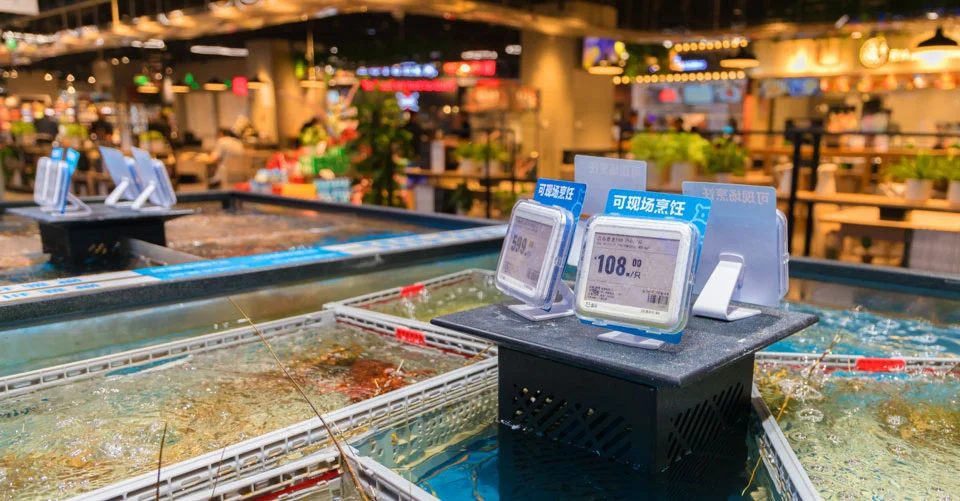
Move price changes, promotions and product information to the shelf without relying on paper workflows, while improving consistency across checkout, shelf and digital channels.
High SKU counts and frequent daily changes make manual labeling slow. The system supports not only price updates, but more useful shelf information for both staff and shoppers.
Schedule store, aisle or product-group changes for the relevant labels instead of printing them one by one.
Show unit price, weight, origin, promotion and product notes together in a purpose-built template.
Use the same source data to improve alignment between the shelf message and the transaction price.
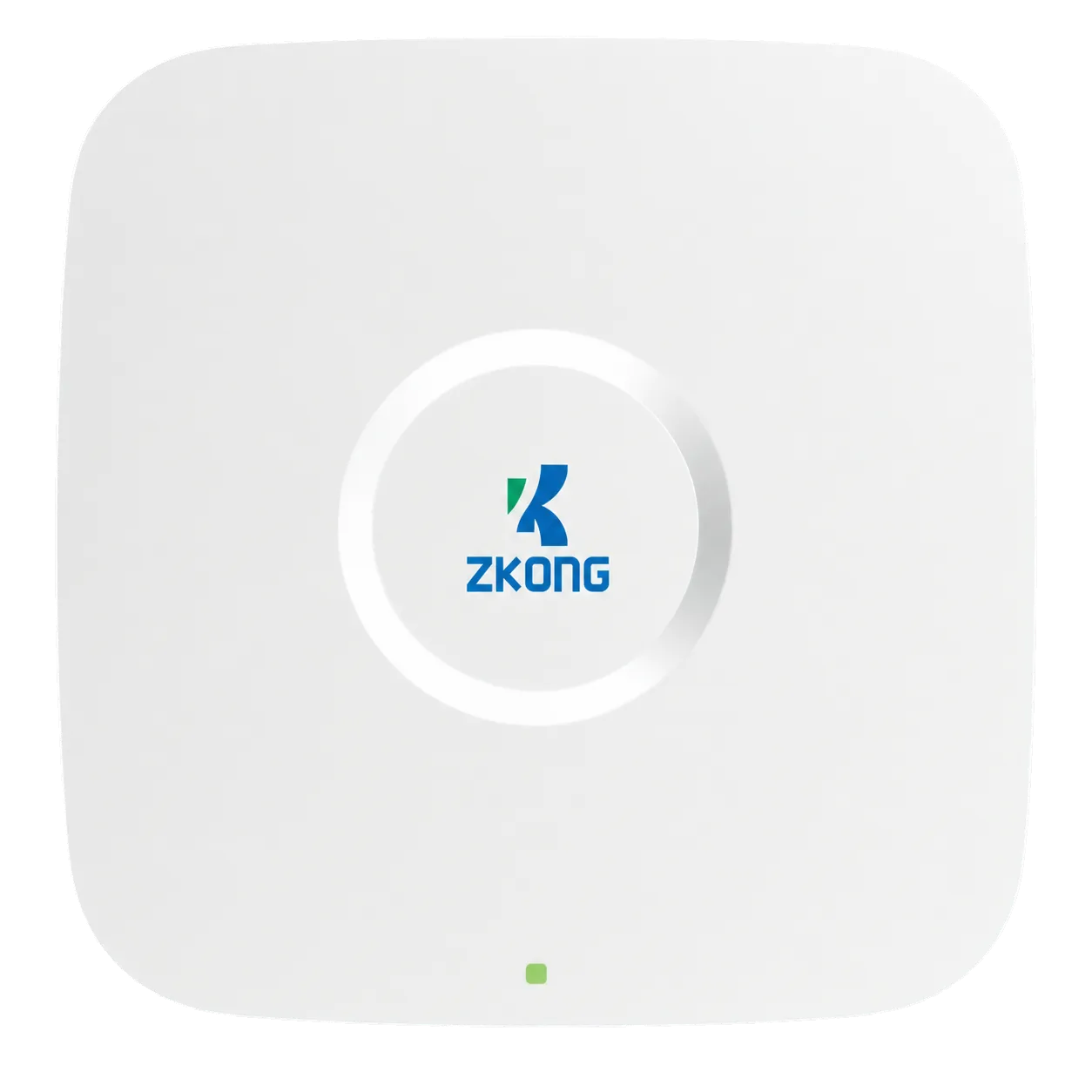
Existing product data is matched with templates in ZKONG Cloud; the in-store or on-site access point delivers each update to the correct label.
POS · ERP · WMS · API · XLS
Template, device and location management
Wireless on-site communication
The right content at the right point
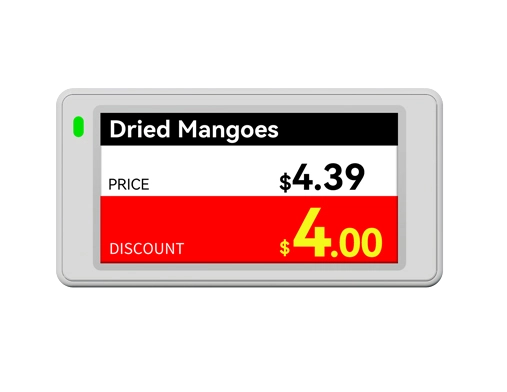
Compact labels and full-color shelf displays can work together within the same store architecture.
Publish regular price, discount, loyalty offer and validity details through controlled templates.
Present product name, price per kilogram, origin and preparation notes on larger, readable displays.
Use LED-capable models to help staff identify the correct product on the shelf faster.
Support counting, replenishment and placement with label codes, colors or LED alerts.
Add QR codes for product pages, promotion rules or ingredient information.
Use Sparkle and Legendary displays for shelf-level image, video and category communication.
The final model depends on display size, information density, environmental conditions and mounting surface. These products are strong starting points for this industry.
Compare all products ↗
Display size2.5″
ZKC25Q-E4Dot Matrix EPD Black/White/Red (Yellow)



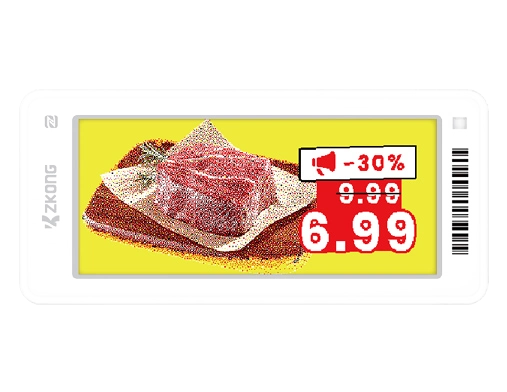 Display size2.9″
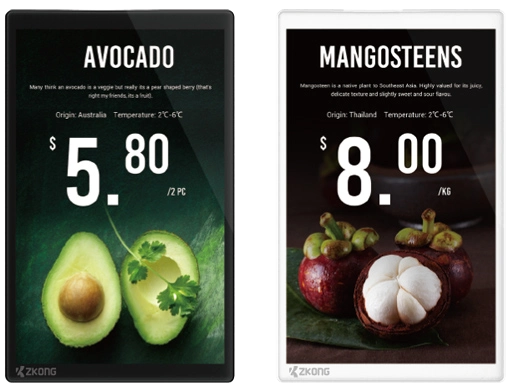 Display size10.1″
Review SKU count, change frequency, shelf type and POS/ERP data structure.
Validate label size, template, mounting and coverage in a representative aisle.
Launch price flows, user permissions and daily tasks together with your team.
Scale the approved design by store group and monitor devices and updates centrally.
Shelf, promotion and checkout processes are designed to use the same verified data.
Bulk updates start without waiting for staff to print and replace labels.
Reduce repetitive printing, cutting, distribution and correction.
Manage devices, locations and templates in one operating structure.
Clear answers to the technical and operational questions that matter when defining model, infrastructure and integration scope.
ZKONG Cloud can be configured to receive SKU, price, promotion, unit price, inventory and other template fields from an existing source. Suitable systems use APIs; scheduled file transfer or controlled imports can be considered when no API exists. Discovery defines the system of record, publishing order, failed-task alerts and shelf-to-checkout verification.
A change starts in the central product source. ZKONG Cloud uses product-to-label binding and templates to route the task to the correct store group. Task, device and warning records support operational monitoring. Actual publishing time depends on label count, color content, wireless coverage and concurrent workload, so it is measured under pilot-store conditions.
No. If an existing ZKONG installation has sufficient coverage and license capacity, you can purchase labels and required mounting only. Access points and licensing are added when a new store, uncovered zone or capacity increase requires them.
Many standard models are designed for normal store temperatures; freezer zones require a model rated for that condition. ZKC28QF, for example, is listed by ZKONG for -25–30 °C operation. Condensation, direct water exposure, cleaning method, ingress rating and mounting should also be verified during the pilot.
ZKONG describes e-paper ESL battery life as typically several years because power is mainly used when content changes. Actual life depends on update frequency, LED use, temperature, connectivity and model. Many models use replaceable batteries; a maintenance plan covers battery status, physical checks and replacement when required.
Templates can include product name, regular and promotional price, unit price, barcode, QR code, origin, ingredients, stock and loyalty price. Multi-page content, LED-assisted finding or picking and multilingual text depend on model and workflow; content priority is set to preserve shelf readability.
Yes. ZKONG Cloud supports store, staff account, product binding, template and permission management. Campaigns can be separated by store or group, while task and journal records help track publishing activity. Roles and approvals are designed around the customer’s organization during discovery.
Buy labels only, or plan a new system with access points, Cloud licensing, mounting and integration services.